Home EV Charger Installation in WA: What You Need to Know Before You Buy a Charger
 NIXON
Published 16 November 2026
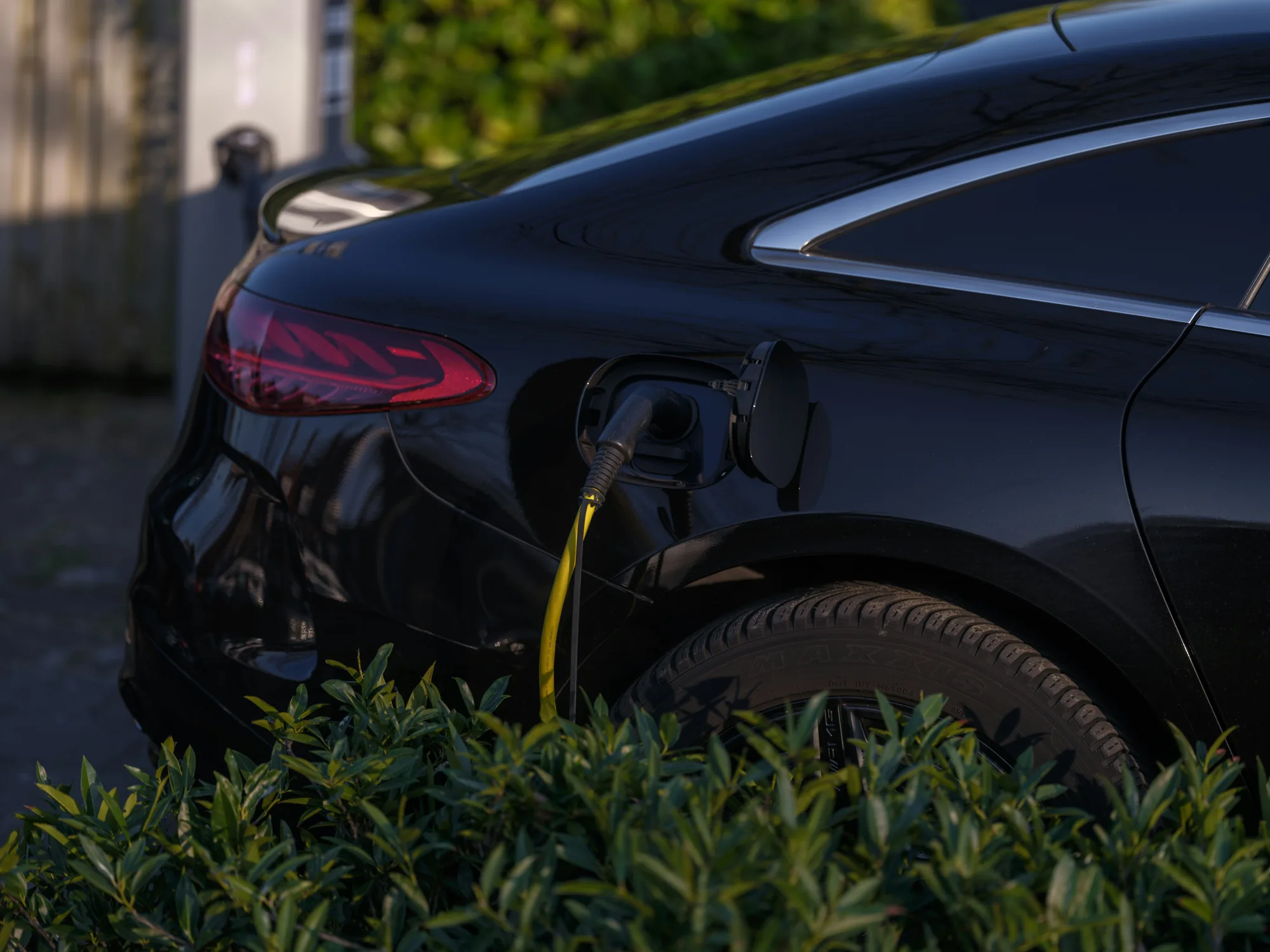
In Western Australia, a wall-mounted home EV charger has to be installed by a licensed electrical contractor. It's fixed electrical work, the same as adding any new circuit to your switchboard.
Your car, your power supply and your switchboard all decide which charger makes sense for your home, and a charger that suits one of them doesn't always suit the others. A few checks up front save you from buying something your home can't run at full speed.
Before-You-Buy Checklist
- Look up your car's maximum AC charging rate in kW. It's in the owner's manual or the manufacturer's spec sheet.
- Find out whether your home has single-phase or three-phase power.
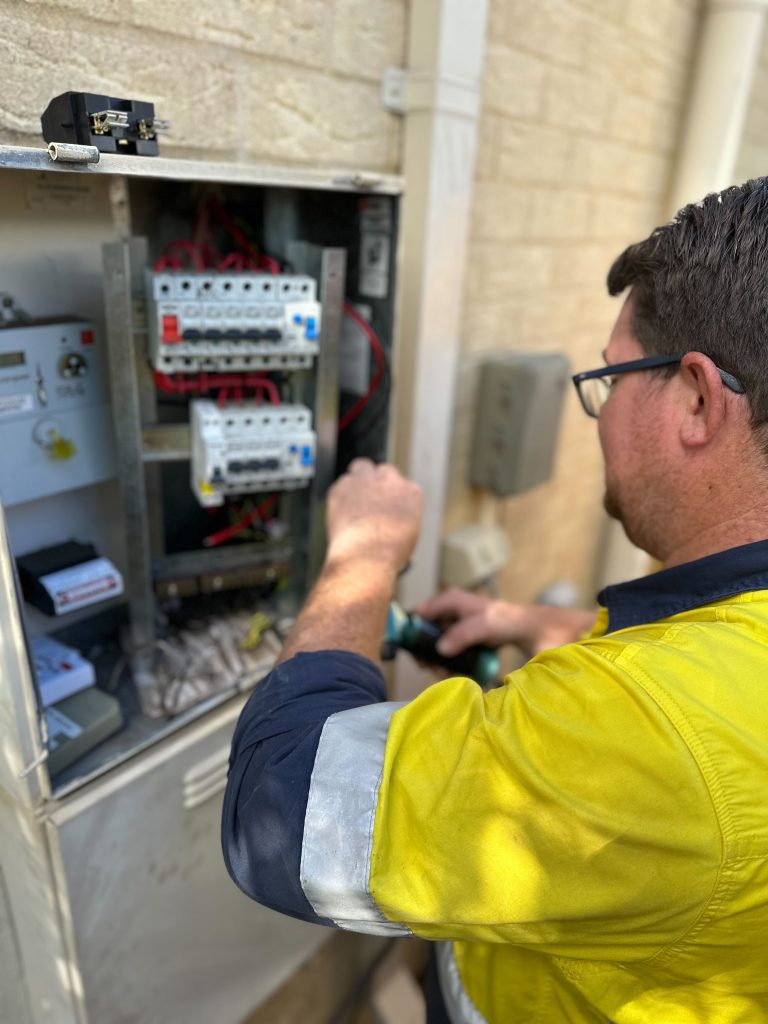
- Have a licensed electrician check your switchboard and how much spare capacity your supply has.
- Choose where the charger will go, and roughly how far that is from your switchboard.
- Work out when you'll do most of your charging: during the day from solar, or overnight.
- Make sure the charger is sold in Australia with a local warranty and support.
Portable Cable or Wall Charger?
Most EVs come with a portable charging cable that plugs into a standard powerpoint. There's nothing to install, but it's slow. A standard 10-amp powerpoint delivers a little over 2kW, which adds roughly 10 to 15 km of range for every hour the car is plugged in. If you're driving from Harvey to Bunbury and back each day, or between Busselton and Margaret River for work, you'll probably find yourself falling behind.
A dedicated wall charger runs on its own circuit and charges a typical single-phase EV about three times faster. For most people, that means plugging in when they get home and having a full battery well before they leave in the morning.
Single-Phase or Three-Phase: Which Charger Do You Need?
Home wall chargers come in two main types:
- Single-phase chargers run at up to about 7kW and work on almost any home's power supply.
- Three-phase chargers can run at up to 22kW, but only on a home with a three-phase supply, and only if your car can take that much power.
Every EV has an onboard charger that limits how fast it can charge from an AC wall charger, and many popular models top out at 7kW or 11kW. A 22kW charger won't charge those cars any faster than their onboard limit, so you'd be paying for speed you can't use.
Not sure which supply you have? A photo of your switchboard is usually enough for an electrician to tell you.
Why Your Switchboard Gets Checked First
An EV charger is one of the biggest loads you'll ever add to your home. Before you buy one, a licensed electrician needs to check two things, along with the general condition of your wiring.
Room and Protection on the Switchboard
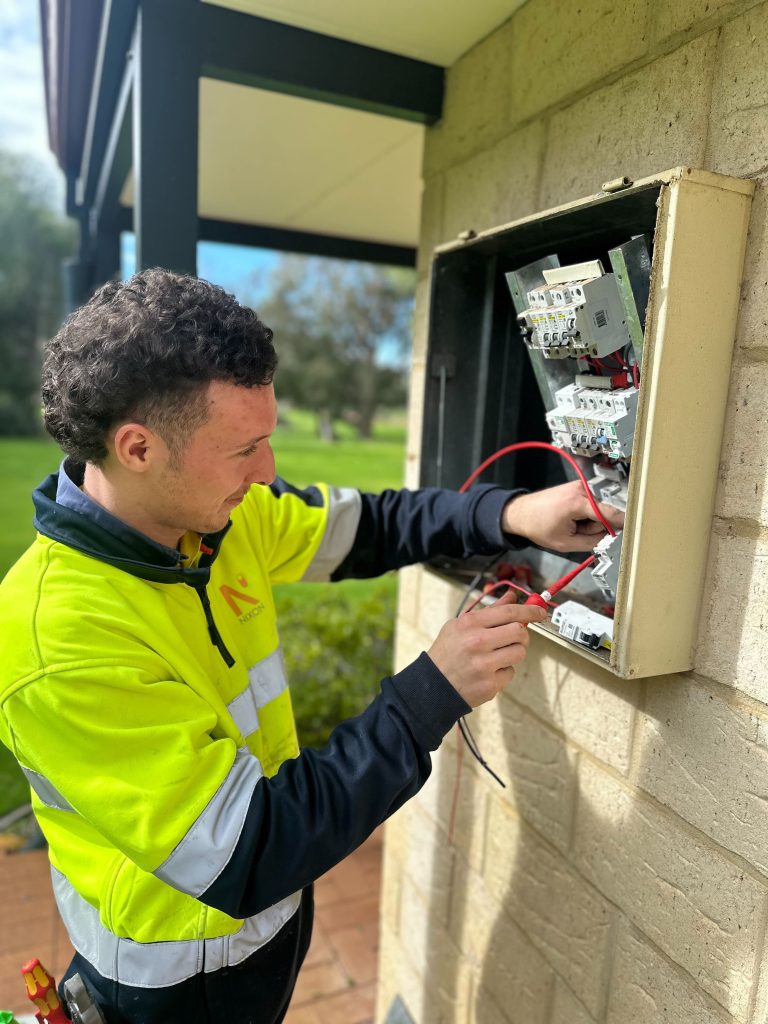
The charger needs its own dedicated circuit, with its own circuit breaker and safety switch at the switchboard. If your switchboard is full, still has ceramic fuses, or has no room for new protection devices, it may need an upgrade before the charger can go in.
Spare Capacity in Your Power Supply
A charger running at 32 amps can use half of a single-phase supply on its own. Add ducted air conditioning on a hot evening, an electric oven, a pool pump and electric hot water, and the total can add up quickly.
Your electrician works out your home's maximum demand to make sure the charger fits. If it doesn't, you can either apply for an upgraded connection or install a smart charger with load management, which slows charging down when the rest of the house is using a lot of power.
Where Should the Charger Go?
Where you put the charger affects both the cost and how easy it is to use each day:
- Distance from the switchboard: the further the cable has to run, the more cable and labour the job needs. Long runs can also need a heavier cable.
- Garage or outdoors: a charger in a carport or on an outside wall needs to be rated for outdoor use. If you're close to the coast, it's worth thinking about salt air when choosing the charger and its position.
- WiFi signal: smart chargers need a reliable connection to schedule charging and track solar.
Smart Chargers, Solar and Your Power Bill
A basic charger starts charging as soon as you plug in, but a smart charger lets you choose when it charges.
If you have solar, a smart charger can top up your car using power your panels would otherwise export to the grid for a low feed-in rate. What we usually recommend is charging the car from solar during the day and letting a home battery, if you have one, look after the house at night.
If you don't have solar, Synergy's EV Add On plan has cheaper rates in the middle of the day (9am to 3pm) and overnight (11pm to 6am). A smart charger can be set to charge only in the cheaper windows, so you don't have to remember.
What a Proper Installation Includes
A good EV charger installation should cover:
- A check of your switchboard, supply and cable route before you're quoted, with any upgrades listed on the quote
- A dedicated circuit with its own circuit breaker and safety switch
- Mounting, connection and testing of the charger, plus setting up the app on your phone
- An electrical safety certificate, which the electrical contractor has to provide within 28 days of finishing the work, and any notices Western Power requires
Once the quoting is done, the installation itself usually takes a few hours.
Getting Your EV Charger Installed by NIXON
NIXON has been looking after homes and businesses across the South West for over 30 years. Our own licensed electricians check your switchboard and supply as part of the quote, recommend a charger that suits your car and the way you drive, and flag any upgrades before work starts, so you'll know the price upfront. We also install solar and batteries, so we can set your charger up to work with your system from day one.
Already have a charger that's stopped working? We repair EV chargers too, including ones we didn't install.
Contact NIXON Bunbury or NIXON Busselton to book an EV charger quote.
- NIXON Bunbury, 11 Dodson Rd, Glen Iris WA 6230, (08) 6288 7152
- NIXON Busselton, 102 Strelly Street, Busselton WA 6280, (08) 6288 7154
Frequently Asked Questions
Can I Install an EV Charger Myself in WA?
No. Installing a wall charger is electrical installing work, which in WA can only be carried out by a licensed electrical contractor.
Do I Need Three-Phase Power for a Home EV Charger?
For most homes, no. A 7kW single-phase charger suits most cars and daily driving, and Western Power allows one on a standard single-phase or three-phase connection, as long as your home's total power use stays within its limits.
Can I Buy My Own Charger and Have an Electrician Install It?
Often, yes. Just have your switchboard and supply checked before you buy, so you know the charger suits your home and whether it needs load management.
Related guides