WA Rental Electrical Compliance in 2026: What Landlords and Property Managers Are Responsible For
 NIXON
Published 11 September 2026
NIXON
Published 11 September 2026
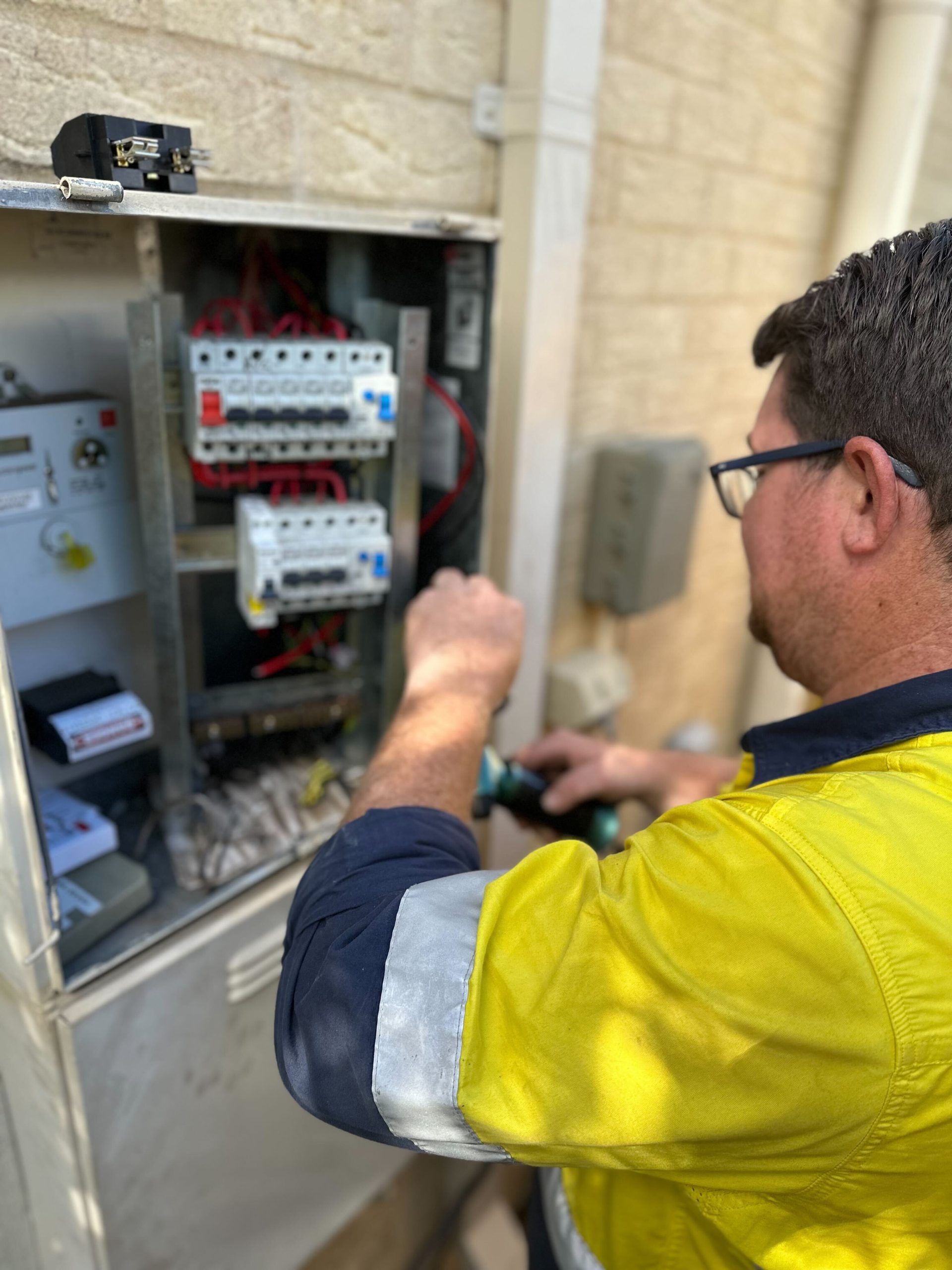
Two electrical requirements apply to every rental home in Western Australia before it can be leased: two RCDs (safety switches) installed at the switchboard, and compliant mains-powered smoke alarms that are in working order and less than 10 years old. Both are the landlord's responsibility, and both must be installed by a licensed electrician.
That's the short answer. Now we’ll explain who does what, what's changing, and what commonly falls through the cracks.
This is general information for South West property owners and managers, not legal advice. Rental law in WA is actively changing, and requirements can differ by property. Always confirm current obligations with Consumer Protection WA and Building and Energy before acting.
Who's Responsible For What
| Landlord | Property manager | Tenant | |
| Installing RCDs and smoke alarms | Responsible and must engage a licensed electrician | Arranges on the landlord's behalf | No role |
| Ensuring compliance before a lease starts | Responsible | Typically verifies and documents as part of the management agreement | No role |
| Maintaining smoke alarms so they stay compliant | Responsible | Schedules and coordinates | Should test smoke alarms monthly and RCDs every three months |
| Replacing a 9V battery | Responsible where the alarm is hard to reach | Arranges if the alarm is hard to reach | Responsible only where the alarm is easily accessible |
| Reporting faults | Must act once notified | Passes to landlord and arranges repair | Must notify in writing as soon as possible |
| Replacing a faulty RCD | Responsible immediately | Arranges urgently | Reports it. Must not attempt repairs |
| Urgent repairs | Must arrange to avoid risk of injury | Coordinates and instructs the trade | Must not tamper with or disable safety devices |
The legal duty always sits with the landlord. A property manager acts as the landlord's agent, so the manager's responsibilities are defined by the management agreement rather than the Residential Tenancies Act. That distinction matters when something goes wrong and everyone starts looking at the paperwork.
Smoke Alarms
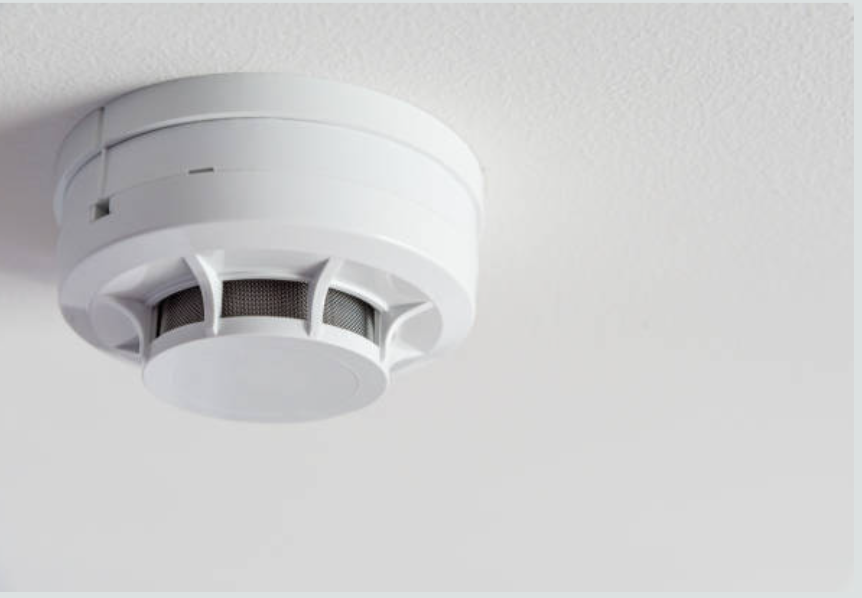
All homes must have compliant mains-powered smoke alarms installed before transfer of ownership, sale, rent or hire, including short-term rental accommodation. They must comply with the building laws, be less than 10 years old, be in working order, and be permanently connected to consumer mains power. An alarm that works perfectly well can still be non-compliant simply because of its manufacture date, and nobody notices until an inspection or a claim.
Battery alarms with a 10-year life are only permitted where there's no hidden space to run the wiring, like a concrete ceiling or flat roof.
In rental properties, it's the landlord's responsibility to maintain alarms and keep them compliant. The tenant is only responsible for changing a 9-volt battery where the alarm is easily accessible, not where it's difficult to reach, such as on a high ceiling.
A $1,000 infringement notice can be issued for a home subject to sale, rent or hire without a smoke alarm, and a landlord or owner who offers a dwelling for hire can be fined up to $5,000.
Where more than one alarm is installed, interconnection is generally required, though not for dwellings built on a building permit application made before 1 May 2015.
RCDs
A rental home must have two RCDs installed at the switchboard before it can be leased. If it doesn't, a licensed electrician needs to install them.
Circuit breakers and fuses protect your wiring from overload and short circuits, meaning they prevent fires, not electrocution. RCDs cut the supply when they detect current leaking to earth, and they're the only device designed to protect people.
Two is a minimum, not a target. Depending on how the property is wired and how many circuits there are, more may be needed for every circuit to actually be protected. A property with two RCDs on paper can still have unprotected circuits in practice, so it’s worth checking rather than assuming.
Tenants should test RCDs every three months and report any that don't operate. Faulty RCDs must be replaced immediately.
What WA Requires
Unlike some other states, WA does not currently mandate periodic electrical safety inspections for rental properties. There's no two-yearly or five-yearly certificate requirement. The obligations are largely triggered at the point of leasing, sale or transfer.
Landlords still carry a general duty of care and are responsible for ensuring the property is safe to live in, for complying with building and health and safety law, and for arranging urgent repairs to avoid the risk of injury. A landlord can be sued for negligence if injury or death occurs because a property wasn't safe.
So while there’s no prescribed inspection schedule, there is a continuing duty and real liability. That’s the gap that a voluntary maintenance schedule fills.
What's Coming
Phase 2 of WA's rental law reforms has been announced and is not yet in force. Among the issues it addresses are specifying minimum standards for rental homes and maintenance and repair obligations, alongside changes replacing without-grounds terminations.
The final detail isn't settled. But the direction is clear enough that portfolios with documented electrical condition and a maintenance history will adapt more easily than those without.
Scheduled Inspections vs Reactive Maintenance
An emergency callout at 9pm on a Sunday costs more than a booked weekday visit.
A tenant without power has a legitimate urgent repair claim and a ticking clock. A smoke alarm found to be 12 years old mid-tenancy is a scramble; the same alarm picked up at a routine inspection is a scheduled job. Batching work across a portfolio helps too. One visit, one set of reports, one invoice, rather than a series of separate emergencies each carrying its own attendance cost.
Documentation is the other half. If a dispute reaches the Commissioner, a dated compliance report from a licensed contractor is worth considerably more than a recollection that someone checked it at some point.
Working with NIXON
NIXON has been working with real estate agencies, property managers, and strata managers across the South West for more than 30 years. We hold a 4.9-star Google rating and run a 24/7 emergency line for the jobs that won't wait.
For rental portfolios, we handle smoke alarm compliance and replacement, RCD installation and testing, switchboard upgrades, pre-purchase and pre-lease electrical inspections with written reports, and general maintenance and urgent repairs.
- NIXON Bunbury — 11 Dodson Rd, Glen Iris WA 6230 — (08) 6288 7152
- NIXON Busselton — 102 Strelly Street, Busselton WA 6280 — (08) 6288 7154
If you manage properties in the region and want a straight answer about where a portfolio stands, that's a conversation worth having before the next set of lease renewals.
Frequently Asked Questions
What are the smoke alarm requirements for rental properties in WA?
Smoke alarms must comply with the building laws, be permanently connected to mains power, be in working order, and be less than 10 years old. Battery alarms with a 10-year life are only allowed where there's no hidden space to run wiring, such as a concrete ceiling or flat roof. Mains-powered alarms must be installed by a licensed electrician.
How many RCDs does a WA rental property need?
At least two, installed at the switchboard before the property is leased. Depending on the wiring and number of circuits, more may be needed for all circuits to be protected.
Who is responsible for smoke alarms in a WA rental?
The landlord is responsible for ensuring that alarms are maintained to remain compliant. The tenant is responsible only for replacing a 9-volt battery when the alarm is easily accessible, and should test alarms monthly and report any faults.
Does WA require regular electrical safety inspections for rentals?
Not currently. WA has no mandated periodic inspection or certificate cycle for rental properties. Landlords do, however, retain a general duty of care for the property being safe, and must arrange urgent repairs. Many owners and managers schedule voluntary checks.
What are the penalties for non-compliant smoke alarms in WA?
A $1,000 infringement notice can be issued for a home subject to sale, rent or hire without a smoke alarm, and a landlord or owner offering a dwelling for hire can be fined up to $5,000.
Are WA rental laws changing?
Yes. Phase 2 reforms have been announced and are not yet in force. They're expected to cover minimum standards for rental homes, maintenance and repair obligations, and replacing without-grounds terminations. Check Consumer Protection WA for current status.
Related guides