Solar for Rental Properties in the South West: Can Landlords Offer It as a Genuine Value-Add?
 NIXON
Published 22 October 2026
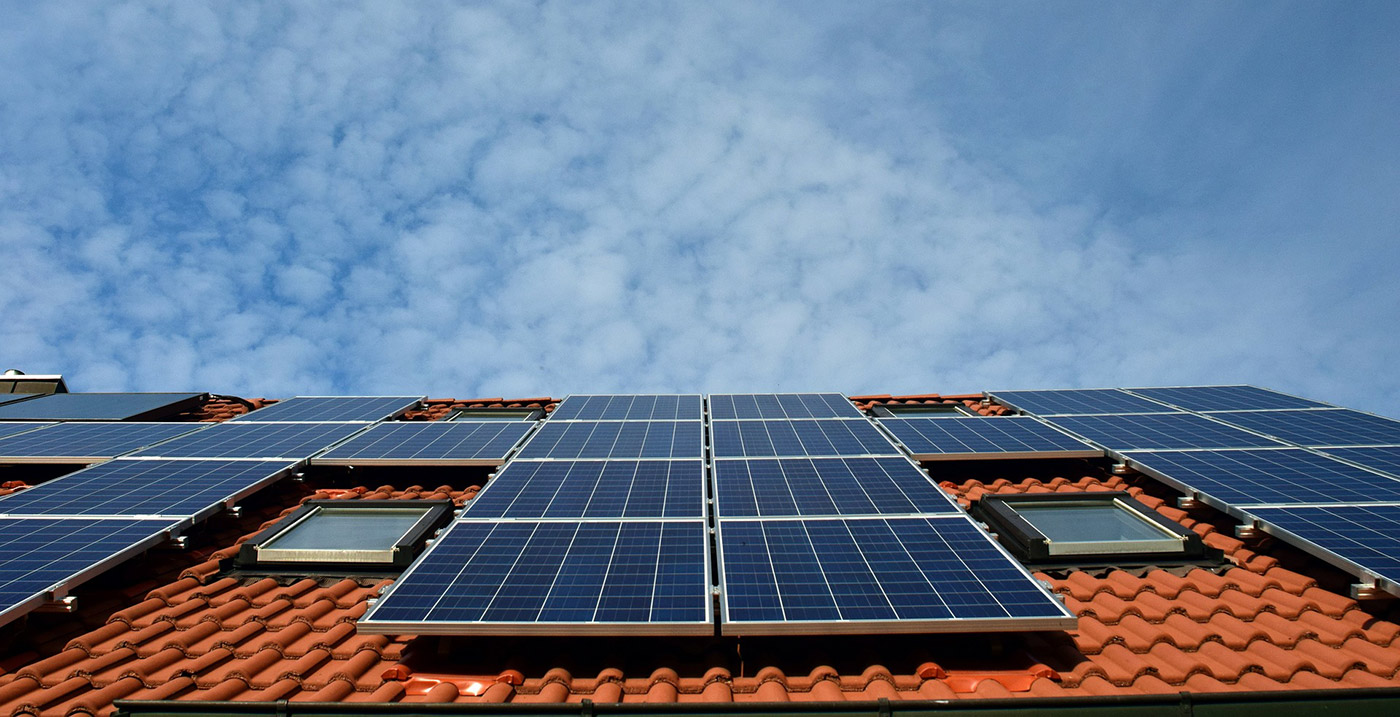
Solar can make sense for a rental property, but landlords rarely keep the electricity savings. In a separately metered house, the tenant holds the power account, so they get the lower bills and any buyback credits. The landlord's return comes indirectly through rent, how quickly the property leases, and resale appeal.
That makes solar a good fit for some rentals and a poor fit for others. It usually works on a property with a sound roof, its own meter and tenants who are home during the day. It's harder to justify if you plan to sell within a few years, the roof needs replacing soon, or the property shares a meter with another dwelling.
Here's how the numbers and the rules work in WA, and how to start a quote through your property manager.
Who Gets the Benefits of Solar?
In WA, whoever holds the electricity account gets the benefit. Any excess is exported to the grid and credited to the account under the Distributed Energy Buyback Scheme (DEBS).
Most generation happens in the middle of the day, when the export rate is lowest, so the value of a system comes from power used inside the house. A tenant who works from home, or runs the air conditioner and washing machine during the day, gets far more out of the panels than one who's out from 7am to 6pm.
WA Consumer Protection also limits what a landlord can recover by keeping the power account in their own name. If the tenant is billed by the landlord rather than directly by the retailer, the landlord can only pass on the consumption cost and has to pay the supply charge themselves. Solar power the tenant uses never appears on a bill, so there's nothing to charge for.
Where the Landlord's Return Comes From
Rent
A national survey by Housing Studies from 2023 found renters in homes with solar paid about $19 a week more than comparable renters without it. Treat that as evidence that tenants will pay something for solar, rather than a figure to budget on. Local rents depend on the property, the street and what else is listed at the time.
Leasing appeal
Everyone wants a way to stay cool in summer and warm through winter without getting stung by a power bill at the end of the quarter. That means many tenants check whether a listing has solar. Your property manager can feature it in the listing and mention it to applicants comparing two similar homes. On a property that already leases well, the effect may be small. On one that sits empty between tenancies, it can help.
Depreciation
The ATO lists solar-powered generating systems, including panels, inverters and batteries, with a 20-year effective life for residential rental property. That means the system can usually be depreciated against rental income. Talk to your accountant about how it applies to your situation.
Upfront rebates and resale
Rental properties can still receive small-scale technology certificates (STCs) under the federal Small-scale Renewable Energy Scheme, which reduce the installed price. Solar may also appeal to buyers when you sell, though how much it adds to the price varies a lot.
When Solar is Harder to Justify
A short hold period is the most common reason to wait. If you expect to sell in two or three years, you'll recover only part of the cost through rent and depreciation.
Roof condition matters too. If the roof will need replacing in the next few years, the panels will need to come off and go back on, which adds cost.
Once installed, the system becomes part of the premises, and repairs to it are generally the landlord's responsibility, like any other fixture.
Shared Meters, Granny Flats, and Units
Everything above assumes the rental has its own meter. Where it doesn't, such as a granny flat running off the main house or an older unit block on one supply, WA's prescribed tenancy agreement needs a written calculation for how the tenant's electricity cost is worked out. Without that agreement, the tenant isn't obliged to pay the bill.
Adding solar to a shared supply makes that split harder to calculate fairly. On a property like this, the simpler path is usually to sort out separate metering first, or to size a system for one dwelling only. NIXON can look at the switchboard and supply arrangement and tell you what's practical.
Holiday Homes and Short-Stay Rentals
Many investment properties around Busselton, Dunsborough and Yallingup are let as short stays where the owner pays the power bill, which means you’ll keep all the benefits of solar. Guests run air conditioning, pool pumps and appliances during the day in peak season, which is when panels produce the most. If your property is a holiday let rather than a long-term rental, the case for solar is closer to the case for your own home.
Landlord Decision Checklist
Run through these before asking for a quote:
- Does the property have its own electricity meter?
- Do you plan to hold the property for at least the next five to seven years?
- Is the roof in good condition, free of asbestos cement sheeting, with unshaded north, east or west faces?
- Is the switchboard reasonably modern, or will it need an upgrade as part of the job?
- Is the property usually let to tenants who are home during the day, such as families, retirees or people working from home?
- Have you spoken to your accountant about depreciation and how the cost fits your tax position?
- Are you comfortable treating the inverter and system as a maintenance item over the life of the tenancy?
- Would a battery suit the property now or later? Batteries let stored solar be used in the evening, when grid power costs more and DEBS export rates are higher.
If most of your answers are yes, solar is worth pricing. If several are no, it may be better to wait, or to put the money toward another upgrade first.
How to Start with NIXON
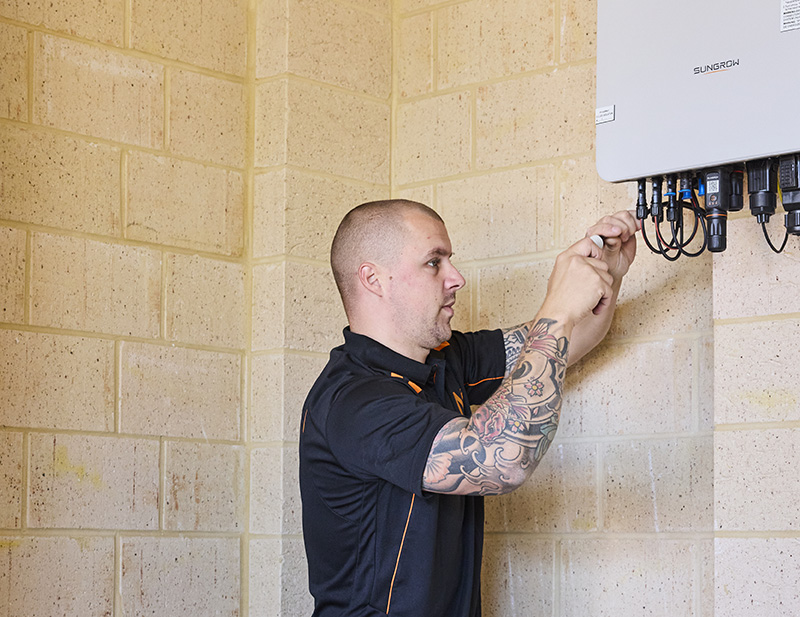
NIXON already works with property managers across the South West on compliance testing, maintenance and call-outs, so arranging a solar quote follows the same process. Let your property manager know you'd like a solar assessment, and they'll arrange access with your tenant, giving the notice the tenancy rules require.
On site, we'll check the roof, shading, switchboard and meter, and look at how the property is used. Your quote will cover system size, expected generation and any switchboard work, along with an honest view of whether the system suits a tenanted property.
To get started, ask your property manager to contact NIXON Bunbury or NIXON Busselton, or get in touch with us directly.
- NIXON Bunbury — 11 Dodson Rd, Glen Iris WA 6230 — (08) 6288 7152
- NIXON Busselton — 102 Strelly Street, Busselton WA 6280 — (08) 6288 7154
Frequently Asked Questions
Can I charge my tenant for the solar power they use?
No. Solar power used in the home never appears on an electricity bill, so there’s nothing to charge for. If you keep the power account in your name and bill the tenant yourself, WA rules only let you pass on the consumption cost, and you have to pay the supply charge.
Can I claim depreciation on solar at a rental property?
Usually, yes. The ATO lists solar panels, inverters and batteries in residential rental properties with a 20-year effective life, so the system can generally be depreciated against rental income. Speak to your accountant about how it applies to your situation.
Who is responsible for repairs to solar panels on a rental property?
Generally the landlord. Once installed, the solar system becomes part of the premises, so repairs are treated like those for any other fixture.