Smoke Alarm Requirements for South West WA Rentals: A Property Manager’s Practical Checklist
 NIXON
Published 11 September 2026
NIXON
Published 11 September 2026
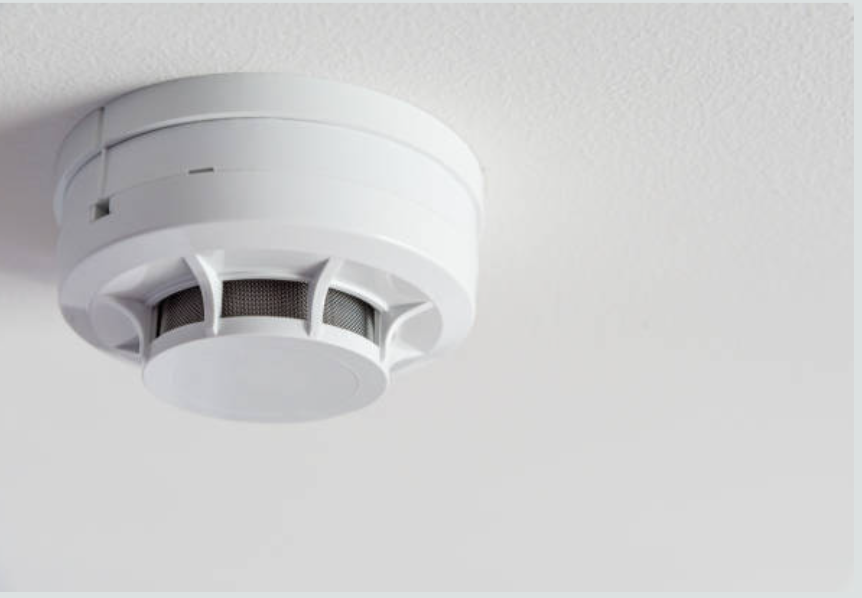
Smoke alarms in WA rentals should be tested monthly. That's the standing recommendation from DFES and Consumer Protection WA. It's the tenant who does it, but it's the landlord who carries the legal obligation to keep the alarms compliant and working.
For a property manager, that means the duty falls to the owner, the routine testing to the tenant, and the coordination to you.
Note: Requirements can change and vary by property. Confirm current obligations with Consumer Protection WA and DFES.
The Checklist
Run this over any property before a new tenancy, and at periodic inspections:
- Mains-powered and permanently connected. Required where mains power is supplied to the dwelling.
- Less than 10 years old. Check the manufacture date printed on the unit, not the install date.
- Compliant with AS 3786 and the building code applicable when installed.
- In working order. Test button sounds the alarm.
- Correct placement on every storey and in the corridors serving bedrooms
- Interconnected where more than one alarm is fitted and the building permit was applied for on or after 1 May 2015.
- Installed by a licensed electrician. Connecting or disconnecting a mains-powered alarm is electrical work.
- Documented. Date checked, alarm age, what was replaced, who did it.
The 10-year rule catches more properties than anything else on this list. An alarm can test perfectly and still be non-compliant purely because of its age, even if nothing about it looks wrong.
Placement
Alarm positions must follow the building code that applied at the time of installation. That means:
- On every storey, including levels without bedrooms
- In hallways or corridors serving bedrooms, positioned to wake sleeping occupants
- In the path of travel from sleeping areas to the exit
DFES also advises keeping alarms away from cooking appliances and bathrooms where possible, since steam and cooking fumes cause false alarms. A tenant constantly getting false alarms might eventually disconnect it altogether.
Photoelectric vs Ionisation
Photoelectric alarms detect smoke using a light beam and respond faster to the slow, smoke-heavy fires most common in homes. Ionisation alarms respond faster to flaming fires but are slower on smouldering ones.
WA law does not currently mandate photoelectric alarms, but DFES strongly recommends them.
Photoelectric alarms detect the fires most likely to kill people, and they generate fewer nuisance alarms in kitchens. For a rental portfolio, standardising on photoelectric is the sensible default even though it isn't compelled by law.
What About a "Compliance Certificate"?
WA has no statutory smoke alarm compliance certificate. What you can and should get is an electrical safety certificate for the electrical work, which a licensed contractor must issue when mains-powered alarms are installed or replaced, plus a written compliance report from the contractor that records what was checked, the ages of the alarms, and what was done.
If a claim is made or a dispute reaches the Commissioner, a dated report from a licensed electrician is worth considerably more than a note in a file saying someone had a look.
Doing it Across a Portfolio
Property by property, smoke alarm compliance can quickly become a nuisance. Across thirty properties handled one at a time, it's a permanent low-level drain on your team.
Batching it makes everything easier. One electrician working through a list of properties in sequence means fewer attendance costs, one point of contact, and reporting that arrives in a consistent format you can file against each tenancy rather than reconstruct later.
It also lets you get ahead of the 10-year replacements instead of discovering them individually, mid-tenancy, usually at the least convenient moment. Once you know the alarm ages across a portfolio, you can plan ahead for replacements rather than getting hit by a series of surprises.
Working with NIXON
NIXON has been working with real estate agencies and property managers across the South West for more than 30 years.
For rental portfolios, we handle smoke alarm checks, replacements and upgrades, RCD installation and testing, and written reporting across multiple properties, all scheduled to suit lease renewals rather than emergencies.
- NIXON Bunbury — 11 Dodson Rd, Glen Iris WA 6230 — (08) 6288 7152
- NIXON Busselton — 102 Strelly Street, Busselton WA 6280 — (08) 6288 7154
Frequently Asked Questions
How often should smoke alarms be tested in a WA rental?
Monthly. Tenants should press the test button on each alarm once a month and report any that don't sound. Landlords remain responsible for ensuring alarms are maintained and compliant.
How often do smoke alarms need to be replaced in WA?
Every 10 years from the manufacture date, regardless of whether the alarm still appears to work. The date is printed on the unit.
Can a property manager or tenant replace a smoke alarm?
Not a mains-powered one. Connecting or disconnecting a mains-powered alarm is electrical work and must be done by a licensed electrical contractor. A tenant may change a 9-volt backup battery where the alarm is easily accessible.
Do WA rentals need interconnected smoke alarms?
Where more than one alarm is fitted and the building permit was applied for on or after 1 May 2015, yes. Older properties are generally exempt, though interconnection is still worth considering.
Is there a smoke alarm compliance certificate in WA?
Not as a statutory document. A licensed contractor issues an electrical safety certificate for the electrical work, and most will provide a written compliance report alongside it. Keep both.
Related guides